
Wyndham Council scraps agreement for proposed 15,000-seat Tarneit stadium as potential investor Intaj Khan says his “heart is shattered” by the club’s A-League exit.
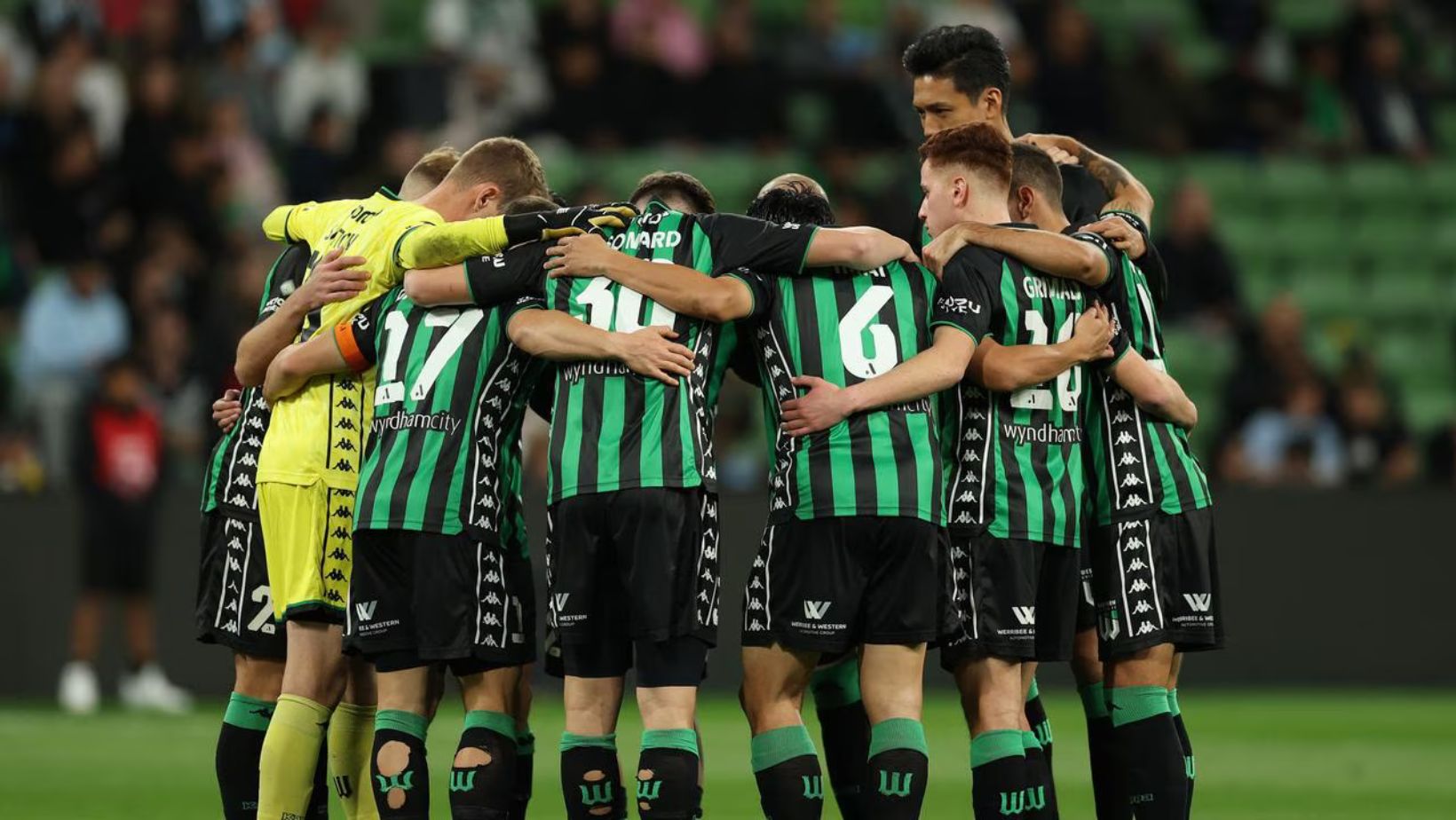
The future of Western United in Melbourne’s west has been thrown into further uncertainty after Wyndham Council terminated its agreement with the club’s parent company to build the long-promised Western United stadium in Tarneit.
The proposed 15,000-capacity stadium was planned for council-owned land on Sayers Road and had been a cornerstone of Western United’s successful bid to enter the A-Leagues in 2018.
However, the stadium was never built.
Western United progressed only as far as the 5,000-capacity Ironbark Fields facility, which became the club’s temporary home for selected A-League matches.
The council’s decision comes just one day after the A-Leagues governing body terminated Western United’s participation agreement, citing breaches of a number of obligations, including national club licensing requirements.
Council terminates stadium agreement
Wyndham Council had issued Western Melbourne Group, the club’s parent company, with a default notice in June over its failure to deliver the proposed stadium in accordance with the development agreement.
Council director of corporate services Mark Rossiter said the termination was not the outcome council had wanted.
“We have a responsibility to make decisions that serve the best interest of our ratepayers and the decision to terminate this agreement reflects that commitment,” Mr Rossiter said.
The proposed stadium was originally envisioned as a major sporting and entertainment precinct for Wyndham and a permanent home for Western United.
Despite years of planning, however, construction never commenced.
Intaj Khan: ‘My heart is shattered’
The latest setback has also affected a group of potential investors who had been exploring a path to save Western United.
Melbourne businessman Intaj Khan, who previously joined businessman Azeezur Rahaman in a bid to acquire the struggling club, said he was devastated by the decision.
“I feel very sorry, and my heart is shattered because I had an investor group who were interested in building up this club,” Mr Khan said.
“We hope to work with anyone in the future who wants to save this club.”
Khan and Rahaman had previously submitted a proposal to take a significant stake in Western United, with the intention of keeping the club in Melbourne’s west and rebuilding its professional football operation. The pair’s bid was reported as a potential pathway for the club’s return to the A-Leagues.
Khan also said he had been approached by another A-League club about purchasing shares and was in “advanced discussions” with that club.
Western United eyes possible 2027–28 return
Despite the termination of its licence, Western United has refused to completely close the door on a return to professional football.
The club said its immediate objective was to preserve its identity in Melbourne’s west and work towards a potential return to the A-League for the 2027–28 season.
Western United described the licence termination as a potential “reset” that could allow the club to rebuild under new ownership and investment.
“This should not be the end of Western United. It should be the reset that allows the club to rebuild and return stronger,” the club said.
The club also highlighted the importance of maintaining a professional football pathway for young players across Melbourne’s west.
A stadium that never arrived
The proposed Wyndham stadium was one of the most important elements of Western United’s original expansion bid.
The 15,000-seat venue was intended to provide the club with a permanent home while also creating a major sporting and entertainment destination for one of Melbourne’s fastest-growing regions.
Instead, Western United spent much of its existence playing home matches at venues including AAMI Park before eventually moving into Ironbark Fields in Tarneit.
The smaller facility provided the club with a genuine base in Wyndham, but was never intended to replace the proposed 15,000-seat stadium.
What happens next?
With the A-League licence terminated and the stadium agreement now scrapped, Western United faces its biggest challenge since entering Australia’s professional football competition.
For potential investors such as Intaj Khan, the focus now appears to be whether a new ownership structure and a new pathway can preserve the club’s identity and eventually restore professional football to Melbourne’s west.
For Wyndham, the council-owned stadium site also faces an uncertain future.
But for Khan, the story may not yet be over.
“We hope to work with anyone in the future who wants to save this club.”
The coming months will determine whether Western United can rebuild from the collapse — or whether the end of its A-League licence marks the final chapter of the club’s short professional history.